

A colonoscopy is more than just a medical test; it is the single most effective tool for preventing colorectal cancer. This vital screening allows our expert physicians to directly visualize the entire colon, enabling them to find and remove pre-cancerous growths, called polyps, before they develop into cancer. At Advanced Gastroenterology & Hepatology (AGH), our specialists are committed to making your colonoscopy procedure safe and comfortable. Don't delay your preventative health — schedule your screening with a trusted colonoscopy doctor today.

What Is a Colonoscopy?
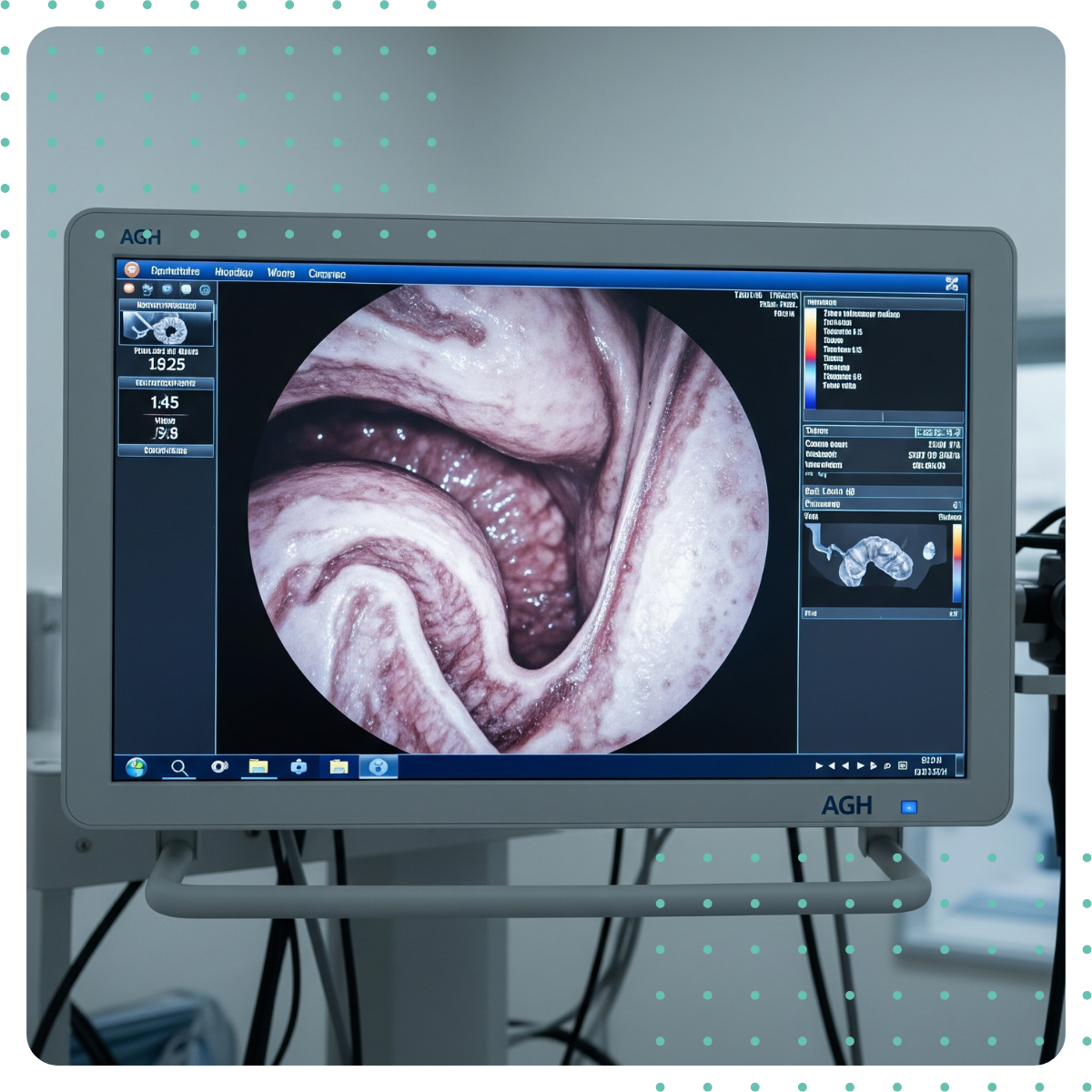
Colonoscopy is a screening method used to detect colon cancer or find polyps, which are small growths that become cancerous. The lining of the large intestine is viewed through a colonoscope, which allows your doctor to inspect the entire large bowel and take pictures to examine. Colonoscopies are used to evaluate negative intestinal symptoms such as abdominal pain, bleeding, and chronic diarrhea. Colonoscopies are recommended to adults at the age of 50 to detect colon cancer and should be performed every five years.

The Purpose of the Procedure
A colonoscopy is a screening tool used to detect colon cancer or look for polyps—small growths that run a risk of becoming cancerous. The interior lining of the large intestine is viewed through a colonoscope which allows your doctor to visually inspect the entire large bowel. Colonoscopies can also be used to evaluate intestinal symptoms such as abdominal pain, bleeding, and chronic diarrhea. Colorectal cancer screening is the main purpose of a colonoscopy. At least 30,000 lives could be saved each year if screening increased.

How to Prepare for the Procedure
Consume only clear liquids for the 24 hours before your colonoscopy, or the patient must consume a special cleansing solution or laxatives. For ample and correct results, the colon must be completely clean. All medications should be disclosed to your doctor. Aspirin products, anticoagulants and clopidogrel —which are blood thinners—and insulin or iron medications are especially important to disclose. Medication allergies should also be mentioned to your doctor.
Frequently Asked Questions About Colonoscopy

Is the colonoscopy procedure painful?
No, you are comfortably sedated and will not feel pain.
How long does the actual procedure take?
The screening itself typically lasts between 20 to 30 minutes.
When will I get my results?
Your doctor will discuss preliminary findings with you right after you wake up.
Will I need to miss work?
Yes, you should plan to take the entire day off for prep, the procedure, and recovery.
Should I take my daily medications?
Discuss all medications with your doctor, as some may need to be temporarily paused.
Why do I need a driver?
The sedatives impair your reflexes, so driving is unsafe for 24 hours post-procedure.

What to Expect
To help relax the patient, the doctor will give a sedative or painkiller. The doctor will insert colonoscope and view the large intestine lining while you lie on your side. The colonoscopy takes typically no more than 30 minutes.
If your doctor finds anything that needs further evaluation, they will perform a biopsy. This is a procedure in which the doctor takes a small sample of your colon lining. They can also give medication or seal bleeds during a colonoscopy. Polyps—growths on the colon lining—can be addressed during your colonoscopy. Your doctor will remove polyps to analyze the potential of cancer. Catching malignant polyps early can stop the spread of cancer. Typically, polyps will be removed even if they are not cancerous.
Polyps can be removed painlessly by
- Fulguration—burning
- Snare polypectomy—using wire and electrical current
Post-procedure, all patients will be monitored until the sedatives have left your system. Your doctor will give you an explanation of the procedure and what additional procedures they performed, such as polyp removal or biopsies.
A Gentle Approach to Sedation and Comfort
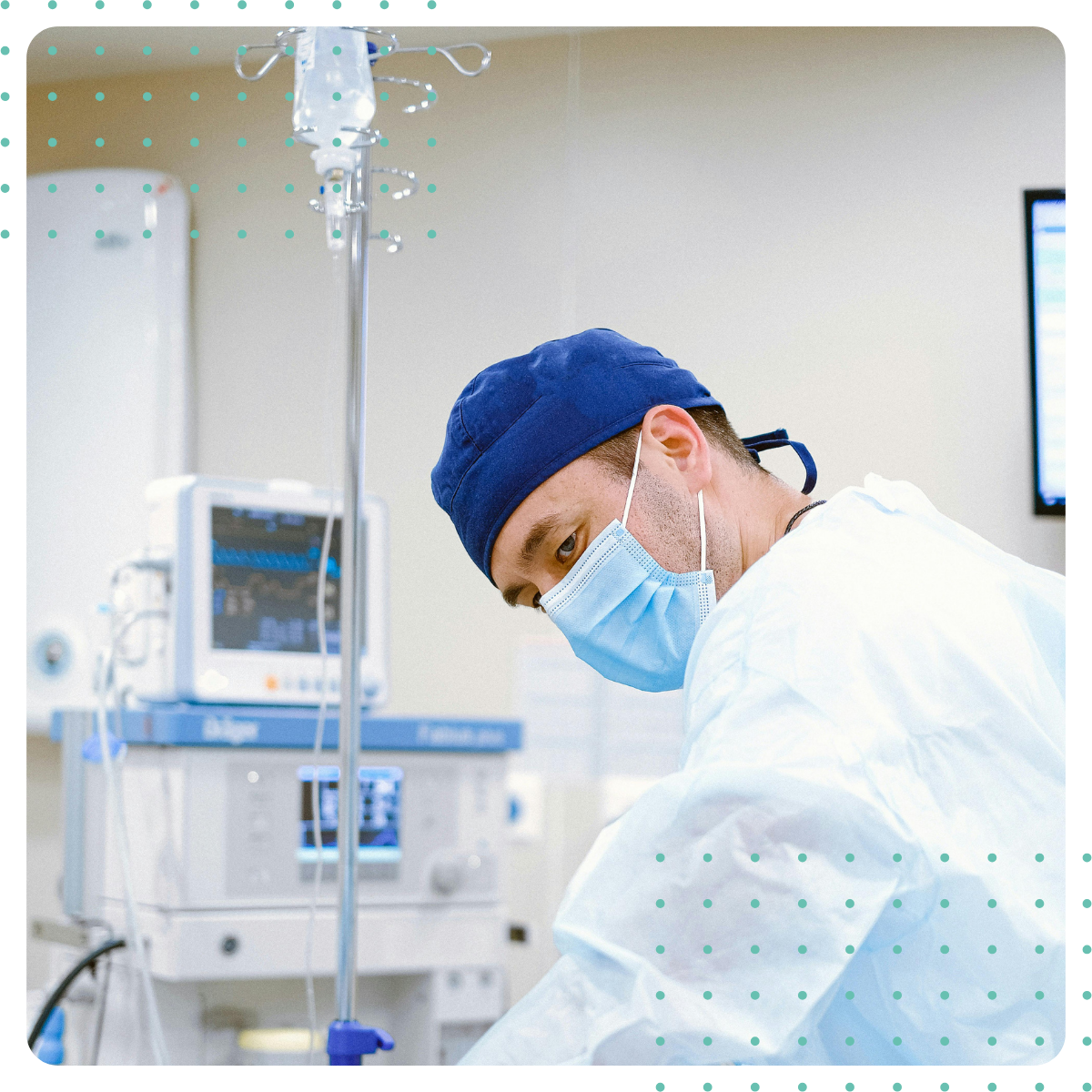
Your comfort and safety are paramount. We use Monitored Anesthesia Care (MAC) with Propofol, often called "twilight sleep." This is not general anesthesia; you'll be in a state of deep, comfortable relaxation and breathing on your own. A board-certified anesthesiologist or CRNA is dedicated solely to you, continuously monitoring your vitals throughout the procedure. This ensures a gentle, pain-free experience, with most patients having no memory of the procedure afterward.

Take Control of Your Gastrointestinal Health
Your digestive wellness is a cornerstone of your overall health. Taking a proactive role means moving beyond simply reacting to symptoms. It involves understanding personal risk factors and committing to preventative screenings. Scheduling a colonoscopy is one of the most powerful and decisive steps you can take to actively manage and protect your long-term gastrointestinal health.