

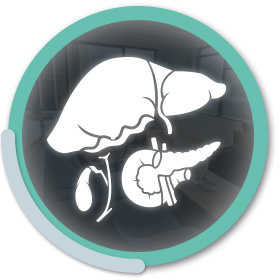
Endoscopic retrograde cholangiopancreatography, or ERCP, is used to check the liver’s bile ducts, the pancreatic duct, and gallbladder. Bile is a liquid that helps you digest food and drinks. Bile ducts drain bile from the liver, and the pancreatic duct drains the pancreas. For your ERCP, the endoscope is inserted through your mouth, into your esophagus, down to your stomach, and into part of the small intestine.
A catheter will be inserted through the endoscope into your bile and pancreatic ducts. Your doctor will dye the pancreatic or bile duct via the catheter. The dye allows the doctor to X-ray and evaluate the ducts.
The purpose
The ERCP is a procedure used to check the bile ducts, gallbladder, and pancreatic duct. The ducts drain bile from the liver and pancreas. The procedure allows your doctor to make sure that your ducts are working properly or identify the cause of a secondary symptom.
Prepare for the procedure
The procedure requires an empty stomach to provide accurate results. You should not eat for at least six hours before your ERCP.
Disclose to your doctor all medications you are taking—over-the-counter and prescriptions—particularly if you are taking a blood thinning medication. You will also have an intravenous contrast dye added to your GI ducts during the procedure. Please make your doctor aware of any allergies to this material or any other medications. Please inform your doctor of any lung or heart conditions, and any other diseases before your procedure.
Your gastrointestinal physician will give you specific instructions for how you should prepare. Make sure you follow their instructions carefully!
What to expect
Your doctor will insert an endoscope into your mouth and pass it through the esophagus, stomach, and the beginning of your small intestine. The tube is flexible and thin, reducing the amount of discomfort. You will lie on your abdomen during the procedure. The tube will not interfere with your breathing. You can also take a sedative or get a local anesthetic to make the procedure more comfortable. In some cases, your doctor might order sedation and call in an anesthesiologist.
Your doctor will check the duct openings of the liver and pancreas. A catheter will be inserted through the endoscope and passed through the ducts. Contrast dye will be injected into your liver and pancreatic ducts via the catheter to enhance your X-ray images.
After the procedure
If your ERCP procedure is an outpatient, your doctor will keep you in the office until the medications or sedations wear off, then you will be sent home. Bloating is a typical post-procedure symptom, due to the air that entered your body through the endoscope. Follow your gastrointestinal physician’s instructions for how you should proceed, but normally you can resume your usual diet and daily activities after the procedure.
You must have someone to drive you home due to the sedatives, even if you feel fully-functional.
Possible complications
Possible, though uncommon, complications include
- Inflammation of the pancreas
- Infections
- Bowel perforation
- Bleeding
Risks are rare but do require hospitalization if they occur. Contact your doctor with any questions or concerns.
Have questions? Fill out the form below!
The information AGH supplies on this website should not be used as a substitute to your regular physician’s medical advice. Your research from this website should not be used as a medical diagnosis. Consult your regular physician for diagnoses and treatments. The information found on this website is for educational purposes only. A formal consultation with a surgeon or doctor is needed before pursuing surgical procedures or medical treatments. Individual results may vary.
Gastroenterology Articles
Revitalizing Your Wellness with NAD+ Injections
Nicotinamide Adenine Dinucleotide (NAD+) is a cornerstone of cellular health, playing a vital role in energy production and DNA repair. As we age, our natural levels of this essential coenzyme decline, often leading to fatigue and reduced mental clarity. We are proud to offer specialized NAD+ therapy to help our patients reclaim their vitality and…
Navigating Chronic Liver Disease: Expert Hepatology Solutions
Dealing with a chronic liver condition can feel overwhelming, but our team is here to provide the specialized guidance and medical expertise you deserve. We focus on a multidisciplinary approach to hepatology, ensuring that every patient receives a tailored plan. By combining advanced technology with compassionate care, we help our community manage complex liver health…
Understanding Your Liver Health with Non-Invasive FibroScan® Technology
Monitoring liver health is a cornerstone of our commitment to your long-term wellness. As hepatology experts, we recognize that many liver conditions remain silent until they reach advanced stages. By utilizing cutting-edge diagnostic tools, we empower our patients with the knowledge needed to manage their health proactively and prevent the progression of chronic liver disease.…